Contractors pollution liability, commonly called CPL, can address specified pollution conditions arising from covered contracting activities. The scope of coverage varies by policy. Some forms are structured for annual operations, others for a defined project or owner-controlled program. Project scope, the policy's time trigger and the conduct alleged in a claim all affect how the review should proceed.
Match the Operations Schedule to Real Work
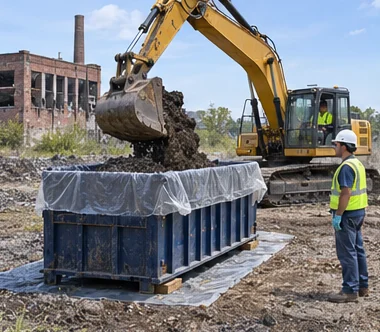
Review the classification and operations description against activities performed in the field. An environmental contractor may excavate contaminated soil, conduct abatement, remove tanks and hire haulers. A general contractor may encounter impacted material while installing a utility even if its ordinary work is outside environmental remediation. Identify both routine tasks and incidental exposures before comparing quotations.
Read the location and project descriptions closely. Off-site staging, stockpiling, temporary storage and material transfer can fall outside a project-site definition. A job may include rights of way, laydown yards or property accessed by an easement. Determine which parts are scheduled and how the form treats damage or cleanup beyond the work site.
Review Exacerbation, Completed Operations and Disposal
Document baseline conditions and environmental reports. When a job involves known contamination, the policy may distinguish the pre-existing condition from its alleged spread or aggravation. Ask whether an endorsement names an area, substance or condition and what terms apply to exacerbation. Define what employees should do if they encounter conditions beyond the scope so the contract record establishes who authorized changes.
Track the date the work is completed, whether reopening the site constitutes additional operations and any contractual completed-operations obligation. An annual practice policy and a project policy may differ in duration or how they treat a later allegation. Keep contract requirements, endorsements and renewal milestones together.
Follow material through transport and disposal. A subcontractor handing material to a designated site may be named in a later claim alongside the project owner and generator. Verify whether the form addresses transportation and non-owned disposal sites and whether there are specific scheduling or eligibility conditions.
Test the Contract Requirements
A contractor may receive a contract requiring pollution coverage, additional insured status, completed operations, waiver of subrogation and primary wording. Map each requirement to the actual policy or proposed endorsement. Keep general liability evidence separate from pollution evidence. Assess whether endorsement availability and policy limits can satisfy the stated terms before the firm commits to the work.
In a hypothetical utility repair, fuel reaches a drain from a subcontractor's pump and an adjacent property owner seeks investigation and repair costs. Identify the operator, the applicable project agreements, the party who directed the response, when crews reported the event and whether prompt measures required insurer coordination. A policy comparison can test each of those facts before a loss.
Compare Annual Practice and Project Structures
An annual program may be the starting point for a contractor performing similar work across several projects. A contract can still require different limits, a dedicated aggregate, a particular duration or specified forms. A project policy can address a defined set of operations and parties but may have boundaries and conditions that differ from the practice program. Compare whether your company, subcontractors or an owner-controlled party are insured, where the covered work occurs and what happens when another policy may also apply.
Time the review to actual operations. Projects can begin before the contractual notice to proceed, including staging and mobilization, and responsibilities can continue after substantial completion. Obtain changed dates and work orders. Ask about the treatment of phased turnovers, punch-list work, dormant periods and work performed after the project completion date provided to the insurer. Record how each contractor evidences coverage for an earlier part of the job.
Ask about aggregate allocation. Several projects can potentially share a practice aggregate. A project requirement may refer to a limit that appears in the declarations but could be affected by other claims or sublimits. Check whether defense erodes limits, and whether the scope includes costs you incur directly or primarily third-party demands. Confirm that any higher layer applies over the actual primary policy rather than over a different general liability or umbrella schedule.
Review Exclusions by Scenario
Build a short list of materials that actually occur on the contractor’s jobs. Depending on the work, the list may include petroleum, chemical residue, contaminated groundwater, microbial matter, asbestos, lead or PFAS. Review each against the pollution definition, exclusions and any policy-specific endorsements. The same term may affect some coverages differently. Track which exclusions attach to a job, operation, substance or prior condition.
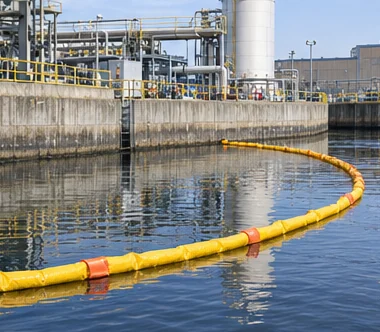
Use a scenario involving an unexpected change. A crew scheduled to remove a tank finds impacted groundwater. The owner directs pumping and treatment, and a second subcontractor joins the job. Identify whether that activity is within the operations description, who specifies treatment and whether the final discharge or disposal location is within the form. Document the baseline and changes in writing so an insurer can compare the facts with coverage provisions. Groundwater response, discharge and waste decisions should be made through qualified personnel.
Establish Notice and Renewal Responsibilities
A foreman may observe an incident without knowing whether a formal claim will follow. Make the insurance reporting instructions easy to find and route facts to a responsible manager. Preserve who observed what, whether anyone made a demand, and which expenditure was approved. Review the policy’s different reporting paths for a circumstance, claim or newly discovered condition and maintain confirmation of notice. This is especially important at the end of a reporting period or when a project changes hands.
At renewal, identify work added mid-term, largest jobs, use of new subcontractors and unusual wastes or materials. Include contractual requirements that continue after work is complete. Compare prior and new forms by policy version, including how the insurer addresses prior operations and post-completion obligations. A well-maintained job history gives the brokerage and insurer a clear explanation of what has changed and which commitments remain active.
Practical Questions for Contractor Leadership
- Do operating descriptions include every material task and new service that project managers can authorize?
- Is the insured project boundary consistent with laydown, staging, off-site transfer and disposal?
- Is there a reason to seek project-specific limits or completed-operations terms?
- Are the contract conditions, named parties and endorsements mapped to each insurance layer?
- Can the responsible person send timely notice and retrieve historic forms at the end of the project?
Official Resources
Source pages checked November 24, 2026. Confirm requirements for your specific activity and jurisdiction.