Site pollution liability insurance can address specified environmental losses associated with insured locations. A site program may include some combination of cleanup costs, third-party bodily injury or property damage, defense, and emergency response. Verify which insuring agreements are included and the applicable definitions, triggers and exclusions. A portfolio, a single redevelopment site and a creditor's interest in a site call for different questions.
Build a Property and Operations History
Begin with the named insured and location schedule. A street address may cover multiple parcels, shared loading areas or an easement running off-site. There may be separate ownership entities, voting control arrangements, joint ventures or management companies. Identify which entities and interests need review and confirm any changes expected during the policy period.
Document past and current uses, including those of tenants. Manufacturing, dry cleaning, vehicle repair, bulk fuel storage and historical waste management can present distinct contaminant profiles and migration pathways. Collect recent and historical assessment reports, tank registrations and closure records, permits, spill files, public registry entries and remediation agreements where available. Include known off-site sources and review how groundwater and utilities may connect parcels.
A consultant's scope can leave legitimate gaps. For example, a transaction assessment may not include physical sampling, building-material surveys or every emerging contaminant. Review limitations and reliance language with the consultant and deal team. Underwriting may seek additional documentation before providing terms, even after the buyer's counsel has reviewed available environmental protections.
Consider Prior Conditions and Future Releases Separately
Identify what was known, when it was known and by whom. Compare application disclosures, report summaries and the policy’s treatment of existing and new conditions. A policy may exclude specified conditions or impose an endorsement covering narrowly defined situations. The locations and depths described in a report do not establish the coverage boundaries unless the form applies those facts that way.
Review future loss scenarios just as carefully. New releases can arise from a tank, drum storage, a contractor's work, tenant operations or firewater runoff. A site owner may be required to investigate as the owner while someone else created the release. The resulting cleanup, third-party allegations and subrogation questions can implicate multiple policies and agreements.
When a buyer takes on a site with an engineered cap or use limitations, capture ongoing obligations in the closing file. Redevelopment or boring through a cap can change both operations and exposure. Ask how the form treats scheduled controls, changes in use and cap maintenance. Coordinate obligations that belong to the owner, tenant, property manager and construction team.
Compare Cleanup, Liability and Business Costs
First-party cleanup may require discovery and reporting within a stated period and may be subject to regulator involvement, consent, a deductible or a separate insuring agreement. Third-party coverage may involve a claim by an adjacent property owner or tenant alleging loss, exposure or migration. Review how definitions address on-site and off-site work, restoration, defense and investigation costs. Verify whether response expenses need prior approval, and identify any emergency exception.
Operating businesses may face increased costs following contamination, including relocation, temporary storage, alternate water supply or shutdown. Compare any business interruption or extra expense coverage to the cause and duration of loss, waiting periods and limits. A delay in an acquisition or construction project can involve a different financial exposure from a covered operating interruption. Ask how the relevant schedules and definitions apply to both.
Test a Transaction Example
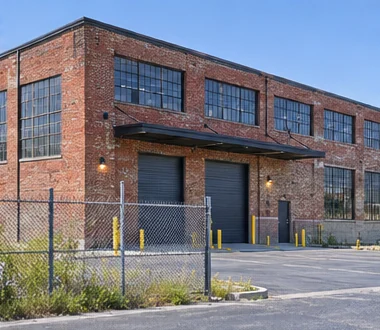
A buyer plans to convert a former industrial property into a warehouse. Historical records identify a closed tank area. The due diligence team finds no current release file, but adjacent records suggest filling activity near a common boundary. The seller offers a limited indemnity. The buyer expects to install new utilities and disturb the soil after closing.
Before comparing quotes, identify the insured parcels, when the transaction closes, the buyer's redevelopment plans and the environmental reports the insurer receives. Discuss known-condition endorsements, defined pre-existing conditions, coverage for newly discovered contamination and conveyance or assignment provisions. Track the seller's indemnity separately, including its duration, security and any exclusions. Ask counsel about deal terms and the environmental professional about the investigation scope.
Questions to Ask About the Policy
- Do the insured entities and location schedules reflect deeds, leases, management agreements and intended uses?
- Which releases or contaminant conditions are excluded by address, medium, parcel, substance or date?
- How does the form distinguish condition discovery, written demands and regulatory notices?
- Do first-party cleanup and third-party defense draw from the same aggregate?
- How does the form treat tenant releases, migration, non-owned disposal facilities and ongoing remediation?
- What events require notice following acquisition, divestiture, lease changes or redevelopment?
Keep a handoff record for risk management after closing. Include renewal deadlines, environmental covenants, assigned reporting duties and information needed to update the insurer if the site or use changes. A site policy, assessment, indemnity and operating controls contribute different protections and should be evaluated together.
What Can Change a Portfolio Review?
A newly acquired parcel may have a different operator or tenant, an additional source of historical information or a different drainage pattern. If the policy includes a mechanism for adding sites, read its notice and underwriting provisions. Prepare an acquisition checklist that routes the legal entity, site address, reports, planned use and closing date to the person responsible for insurance. Record what the insurer accepted and the effective time before adding the site to a summary of insured locations.
Leases can divide maintenance, reporting and remediation duties. Obtain the full provisions for hazardous materials, access, tenant improvements and surrender. For a shared facility, separate areas under landlord control, tenant control and common management. Ask how responsibility changes at lease termination, whether the tenant's work involves contractors, and whether required coverage accommodates those activities. An owned site, tenant interest and third-party managed location can present different insured roles.
When a property is sold or operations cease, preserve the prior site history, insurer contacts and policy dates. Review how the proposal treats conditions that continue after sale or migration that is identified later. An obligation retained in a transaction document should be independently tracked alongside insurance. Ask counsel to review the transfer and consultants to assess technical evidence supporting any agreed baseline.
Questions About Notice and Emergency Authority
An unexpected condition often creates a choice about whom to call before obtaining a complete report. Confirm whether the policy treats an internal observation, a confirmed discovery, a third-party demand and a regulator's communication as separate events. Identify how to notify the insurer and record acknowledgment. Have the after-hours team know who can authorize urgent work and how to preserve records without delaying a necessary response. Keep the insurance procedure aligned with site emergency plans and qualified advice about required notifications.
Official Resources
Source pages checked November 24, 2026. Confirm requirements for your specific activity and jurisdiction.