
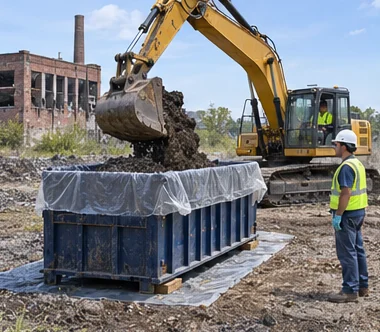
Environmental contractors can face allegations that work created a new pollution condition, worsened existing contamination or caused material to migrate. Their contracts often also address disposal, cleanup standards, emergency response and defense or indemnity obligations. A review should identify where the contractor's field responsibilities begin and end, which entities are insured, and how the policies treat the contractor’s actual work.
Describe the Work as an Underwriter Would See It
Lay out what crews do in sequence. A soil project may start with mobilization and site controls, move through excavation and segregation, then transfer material to a carrier and designated disposal facility. A groundwater job may involve drilling, extraction, treatment equipment, discharge or hauling, and restoration. List the work your employees perform, the work subcontractors perform, which party selects the method and where professional advice or engineering enters the project.
Record the site characteristics the firm relies on. Useful details include historical site use, available assessment reports, known contaminants, nearby receptors, anticipated depths, access limitations, public rights of way and expected waste classifications. Document the assumptions included in the estimate and what triggers a scope change. Review a representative contract next to the bid, work order and insurance specifications. Differences between what the firm priced and what it agreed to can surface before they become disputes.
Separate the Existing Condition From the Contractor's Work
Owners often hire an environmental contractor because contamination is already documented. An unexpected plume, buried drum or visibly impacted soil outside the delineated area can change how work proceeds. One dispute may concern responsibility for the underlying contamination, another may concern the contractor’s alleged role in spreading it and a third may concern whether a change order authorizes additional costs. The written record should preserve those differences.
Consider a hypothetical excavation beside an occupied warehouse. The job encounters a previously undocumented fill layer, and a subcontractor has already placed excavated material on a staging pad. The owner asks the crew to continue to keep the schedule. Neighbors later report odors. Record the time and location of discovery, immediate protection measures directed by the site team and who approved further work. Preserve baseline maps, daily reports, carrier records and disposal acceptance evidence. Compare the policies' treatment of existing conditions, exacerbation, third-party allegations and known-condition exclusions.
Review Pollution, Professional, Auto and Excess Together
Contractors pollution liability can be structured around eligible contracting operations. Examine the definitions of pollution condition and covered operations, the treatment of work by subcontractors and whether completed operations apply. Confirm the approach to listed pollutants and project-specific requirements. A requirement for coverage through a specified period after work ends creates a separate renewal and evidence-tracking issue.
Where the business plans or designs a remedy, interprets test results or gives recommendations relied on by the owner, evaluate environmental professional liability. Determine whether your contracting and professional policies are coordinated or whether insuring agreements within a combined form share an aggregate. A firm can be named in multiple ways in a single demand. Compare reporting requirements in advance so the team knows which policies may need notice.
Fleet and transportation exposures include transfer to outside carriers and movement by company vehicles. A truck operator may incur auto liability, a third party may allege a pollution loss, and a customer may claim damaged cargo. Compare each policy and endorsement to loading, transit, unloading, temporary storage and non-owned disposal. Review excess policies for the actual schedules and pollution terms. The existence of higher limits elsewhere in a program does not settle whether they attach over a pollution claim.
Use the Contract to Find Coverage Questions
Identify named parties, flow-down obligations and the definitions of work, site and hazardous materials. Make a table of required limits, form requirements, completed-operations periods, additional insured language, waiver provisions, evidence deadlines and any pollution-specific coverage triggers. Flag an environmental indemnity that covers conduct or costs beyond the insurance wording and refer legal interpretation to counsel.
A certificate can document coverage information at a point in time. Ask for the issued endorsements and verify that they apply to the contractual party and work. An owner may require coverage for a particular contaminant, disposal exposure or transportation activity. Confirm what is available before agreeing to requirements or promising a mobilization date. If a subcontractor is responsible for part of the work, track both its contract and the evidence of its insurance independently.

Prepare an Underwriting Submission That Matches the Work
Provide a breakdown of revenue by operation, representative projects, largest contract values, service territories, subcontracted percentages, fleet and carrier arrangements, disposal procedures, employee training practices and loss history. Explain loss-prevention improvements and operational changes since prior renewals. Include a clear summary of work the company is adding, bidding or discontinuing.
A broker and underwriter can compare described operations with proposed wording. When project documents use broad terms such as remediation or environmental services, list the actual tasks and substances. A firm that removes contaminated soil has a different profile from one that performs licensed asbestos abatement, handles hazardous waste or provides emergency response. Flag these differences before policy issuance and maintain a process for changes during the term.
Questions for Owners and Project Managers
- Who can direct the crew to pause when site conditions differ from the bid?
- Who determines disposal eligibility and can authorize a facility change?
- Which project professional signs off on treatment, discharge or closure?
- Does the work include treatment design, testing advice or a report relied on by third parties?
- Who receives an incident report, and what are the contract and insurance deadlines?
- Which endorsements must be delivered before mobilization, and who tracks coverage after completion?
Take the contract insurance section, scope of work and complete policy forms to the review. Use a secure document exchange for site reports and other confidential records.
Build a Change Process the Crew Can Use
The operations team needs more than a completed insurance checklist in the office. Give the field supervisor an approved escalation procedure for discovering unexpected material, receiving an oral direction outside the scope, changing transport vendors or responding to an incident. Determine who documents conditions, who contacts the owner or consultant, who can direct additional work and how the team will make a timely insurance report when required. Use the legal, operational and safety procedures appropriate to the project.
Track the same change centrally. If a new task becomes a recurring service line, update revenue projections, contracts, training procedures and the insurance description. If a one-time change requires greater limits, a new location or a different subcontractor, determine whether the existing form applies or underwriting must approve the change. Capture the answer and effective dates so the project manager and the broker have the same record.
How Do Completed Operations Affect Renewal?
A contract may specify that coverage continue after the owner accepts the project. Record how the contract defines acceptance and how the issued form handles completed work and delayed claims. An obligation that extends beyond a project policy should appear on the renewal file. If the policy is claims-made or has a reporting requirement, compare the retroactive date, continuation terms, prior notice and exclusions before replacing it. Keep the signed contract, complete original forms and a summary of post-completion obligations accessible to whoever manages renewals.
Official Resources
Source pages checked November 24, 2026. Confirm requirements for your specific activity and jurisdiction.