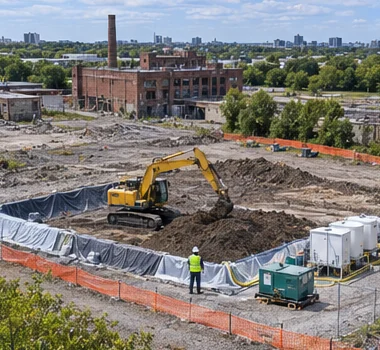
Remediation and restoration firms frequently enter after a condition already exists. Their insurance exposure can arise if they are alleged to spread contamination, damage property, miss an agreed performance objective or complete work that requires correction. The source and location of the original problem, who selected the method, and which party has authority over additional work shape the review.
Distinguish the Work Stages
Emergency stabilization may involve a different vendor than investigation, cleanup, laboratory testing or long-term monitoring. Work at an occupied building also requires coordination with tenants and building management. Outline responsibilities at mobilization, containment, waste handling, confirmation sampling, restoration and handoff. Capture the point at which the owner takes control of ongoing obligations.
Ask how contracts address prior conditions, unanticipated conditions and authority to spend. A change from water mitigation to material removal can alter tasks, controls and reporting obligations. Environmental engineering or industrial hygiene advice should be identified separately. Where a project involves material with an uncertain classification, assign the decision on handling and destination to the appropriate qualified parties.
Review the Program Around a Loss Scenario
Imagine water intrusion in a multitenant facility. The initial assignment is extraction and drying. An owner later asks the contractor to open walls, and a neighboring suite alleges conditions worsened after temporary protection was disturbed. Records should identify who directed the change in work, what field conditions were recorded, which consultant gave recommendations and when the notices went out.
Check the pollution form for definitions and limitations affecting microbial matter, indoor air, asbestos and lead where relevant. Determine whether earlier conditions, exacerbation, completed work and transportation are addressed. If the contractor also recommends a remediation design, consider professional liability. Coordinate third-party liability with property, equipment and business interruption considerations. Limits and defense costs can become material as claims involve several occupied areas.
Handoff and Closeout
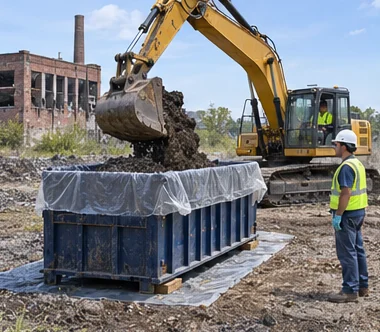
Identify which documents support completion. Examples include disposal receipts, lab reports, photographs, equipment logs and client communications. A regulator's closure determination and contract acceptance can address different questions. Keep signoffs, open action items and remedial controls attached to the job file for future notice and evidence. Track any requirements for insurance after project completion at renewal, especially for claims-made coverage.
Official Resources
Source pages checked November 24, 2026. Confirm requirements for your specific activity and jurisdiction.