
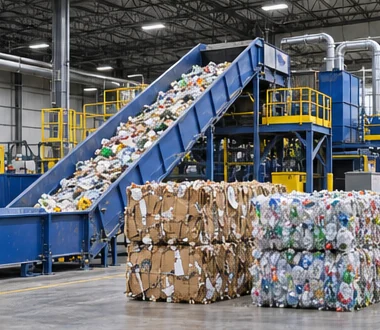
A waste business faces different exposures at the collection point, in transit and after receiving a load. Trace the movement of each significant stream from the customer's premises through storage, transfer or processing to its final destination. Record ownership and custody, how loads are screened, what materials are rejected, and how external carriers and facilities participate.
Separate Facility, Contracting and Fleet Work
A transfer station receiving material may face allegations that a release affects neighboring land or surface water. A recycler may also face fire, firewater runoff and extended loss of capacity. A hauler may be involved in roadside response during a collision, with the customer seeking cargo recovery. A general industry description can obscure these separate coverage questions. Review property, equipment, site pollution, contractors pollution and fleet forms against actual activities.
Describe special or incidental materials, including oils, batteries, electronic waste and contaminated packaging. Record acceptance rules and inspection procedures for each stream. Know who can isolate a suspect delivery, who makes classification decisions and who coordinates authorized removal. Review how policy exclusions treat materials commonly encountered in the operation.
Follow a Rejected Load
Consider a shipment a transfer station rejects because the contents differ from the documentation. It stays temporarily at a carrier's yard while the parties decide what to do. The question of who has custody may differ from the question of who had contractual responsibility to characterize the material. Insurance analysis should identify the location, reason for rejection, potentially insured operations and the time the load remained at the yard.
Preserve load records, facility acceptance agreements, vendor insurance evidence and any instructions given to the driver. For non-owned disposal site coverage, check the policy's applicable facility or waste criteria and any scheduling or notice provisions. An environmental claim can arrive long after the original shipment. Fit records retention to the potential loss and your advisers’ guidance.
Prepare the Risk Narrative
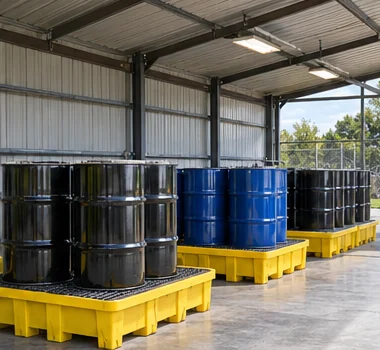
Summarize tonnage by stream, facilities, loading processes, maximum storage and fire controls. Describe how stormwater and drainage are controlled, inspections are logged and rejected loads are managed. Include carrier and disposal agreements and any material changes expected before renewal. Evaluate interruption options for critical equipment and alternate facilities separately from liability coverage. Confirm regulatory obligations with qualified advisers and the applicable agencies.
Official Resources
Source pages checked November 24, 2026. Confirm requirements for your specific activity and jurisdiction.