

A Phase I environmental site assessment evaluates the potential for contamination using an agreed scope, site observations and records. EPA recognizes ASTM E1527-21 and E2247-23, where applicable, as consistent with the All Appropriate Inquiries rule. The assessment and timing relevant to a particular transaction, and any ongoing obligations for legal protection, should be reviewed with environmental professionals and counsel.
Commission an Assessment for the Intended Transaction
Give the professional accurate ownership, parcel, access and historical-use information. Confirm which parties are the client and intended users, and whether lenders or other parties may rely on the result. Review relevant scope limits, report dates, deadlines, qualifications and any recognized environmental conditions. Resolve questions promptly if prior use or physical access differs from the information available at engagement.
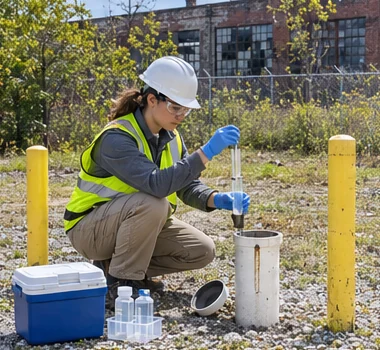
A Phase I is generally a due diligence assessment and may not include sampling. When further investigation is recommended, ask what questions it would answer, the required access and time frame, and which decisions depend on the results. Discuss whether asbestos, lead, indoor environmental concerns or emerging contaminants are inside the engagement. Avoid relying on a general summary to determine the scope.
Carry the Findings Into Insurance Review
A policy underwriter may ask for reports, remedial records or a chronology of known conditions. Prepare a clear account of when each report was obtained and what remains open. Compare the underwriter's proposed exclusions and location schedule with the actual parcels, tenant activities and redevelopment plans. If a lender specifies coverage, compare the policy wording with the requirement separately.
After closing, maintain the assessment, environmental restrictions and action items where the next property manager and renewal team can find them. Track changes in tenant use, adjacent conditions, cap maintenance and planned intrusive work. An older report can still provide history even when new activity calls for a separately scoped review.
Official Resources
Source pages checked November 24, 2026. Confirm requirements for your specific activity and jurisdiction.