
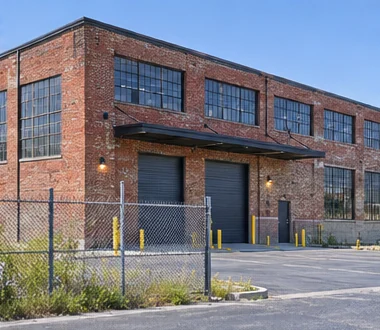
A real estate environmental review addresses the physical condition of a site, the transaction's allocation of obligations and the future operation or redevelopment plan. A Phase I assessment may identify records or observations that warrant further investigation. A policy can address specified costs or claims under agreed terms. Review those workstreams together before deadlines become binding.
Establish the Baseline
Provide accurate property boundaries, prior uses, tenant operations and expansion or demolition plans. Ask the environmental professional what assessment standard, scopes and dates apply, and what is outside the engagement. Address the intended reliance rights for buyer, lender and other project participants. Request background documents on tanks, prior incidents, restrictions and existing cleanup or monitoring commitments.
If records suggest historical dry-cleaning or manufacturing activity, evaluate whether counsel and the consultant recommend additional investigation. Consider migration from adjacent parcels and building occupants. Check whether consultants have enough access and time to complete their work before transaction milestones.
Align Transaction Documents and Site Coverage
The deal may use an indemnity, escrow, purchase adjustment or continuing obligations to manage known conditions. Ask counsel to evaluate the allocation and its enforceability, including time limits and available security. Review any insurance offer alongside the transaction documents. Confirm the appropriate insured entity, buyer or lender interest, parcels, planned use, exclusions and timing. A lender's insurance requirement may use definitions that need specific policy language.
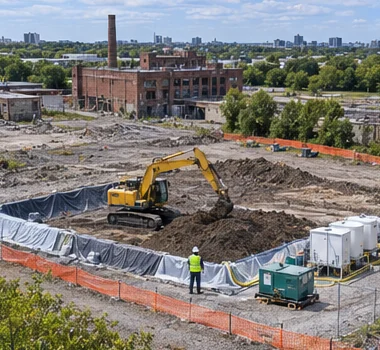
Consider a warehouse conversion after acquisition. A buyer receives a historical report with a closed tank issue, then a utility contractor encounters impacted soil outside the area described in the file. The buyer may face investigation, schedule disruption and a demand from an adjoining owner. Trace the facts against scheduled conditions, policy dates and notice requirements. Determine who handles the newly found condition and what restrictions apply to further work.
Move From Closing to Operations
Preserve the site documents, endorsements and notices. Track restrictions and monitoring obligations alongside renewal. Update the broker when tenants change use, ownership entities reorganize, a project disturbs soil or the buyer acquires adjacent parcels. Set a responsible owner for the risk file and a way to route incident information to legal, technical and insurance advisers.
Official Resources
Source pages checked November 24, 2026. Confirm requirements for your specific activity and jurisdiction.