
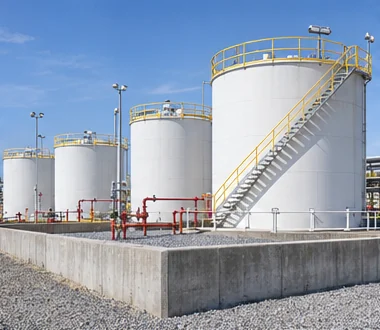
Energy, mine and infrastructure projects can expose both permanent sites and temporary works. Fuel or process materials can escape during transfer. Work in a new corridor can disturb historical conditions. Dewatering, stormwater or waste movement can create pathways beyond the project boundary. Identify whether the firm owns the site, operates a project, supplies a service, transports material or designs part of the work.
Operating Sites and Temporary Works
At a generation facility or industrial energy site, consider containment, wastewater, fuel delivery and operation during outages. At a mine, consider process water, waste material, contractors and the monitoring or controls required after closure. Infrastructure projects may involve excavation along rights of way, multiple landowners and subcontractors, and difficult-to-characterize soil. Document the controls for handoffs, off-site staging and changes in planned work.
The environmental obligations at a site can continue beyond a contract term. Review who bears monitoring, maintenance, restoration or financial assurance obligations, how the contract documents transfer of responsibility, and which instruments meet any applicable requirement. Surety and regulatory financial assurance involve their own terms and purposes and warrant a separate review.
Link the Policy to Location, Operation and Time
For a scheduled facility, compare site boundary, covered entity, earlier conditions and third-party provisions. For project work, verify covered operations, transportation, completed operations and subcontractor treatment. Where design or recommendations are provided, include professional liability. Review the status of subcontractors and work under any owner-controlled or contractor-controlled program.
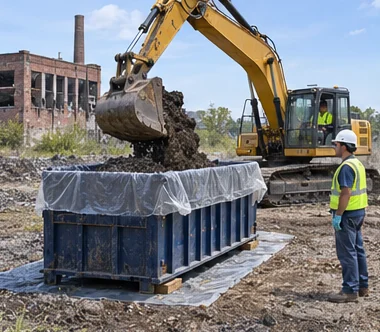
A hypothetical infrastructure contractor excavates near an old industrial tract. Its dewatering vendor installs temporary treatment equipment. After weather changes, an adjacent landowner identifies sediment or discolored water. Keep the scope, sample and discharge records, weather chronology, vendor arrangements and notification records. Compare policy notice and exclusions with the facts and consult advisers on relevant permit and reporting duties.
Materials to Bring to Review
Bring a project map, site history, entity and contractor schedules, work descriptions, lease or contract environmental sections and available permit or closure documents. Note any new technologies, feedstocks, facilities or methods and who can authorize changes. Determine which commitments continue after turnover or closure and how the team will preserve policy and project records.
Official Resources
Source pages checked November 24, 2026. Confirm requirements for your specific activity and jurisdiction.