
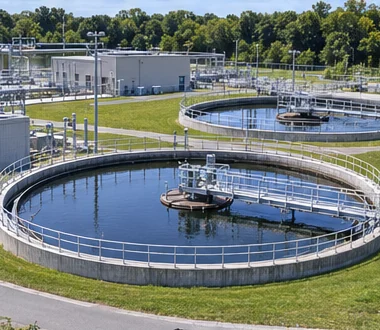
A contamination incident can disrupt operations even when physical repairs are quick. Investigation, regulator or customer requirements, alternate capacity and cleanup can create different time frames. Business interruption and extra expense coverage depends on the wording and trigger of the issued policy. Review property coverage alongside any environmental coverage to identify which forms could be relevant.
Measure How Operations Actually Restart
Map the affected processes and constraints. If a wastewater system is unavailable, production may need to stop even if production equipment is otherwise operational. Consider regulatory and operational decisions, the cost and timing of external alternatives, concurrent repairs, and the capacity that can be restored in phases. Document baseline production and the change after the event.
Apply the policy terms to the timeline. Verify waiting periods, the limit and whether it is part of the overall aggregate, definitions of income and restoration period, and how extra expenses are measured. Check the expected documentation and insurer approval process for contingency expenses. Include site access restrictions and dependent locations where the business relies on them.

Financing the Gap
Identify plausible interruptions that could remain self-funded, such as delays during a property transaction or shutdowns that fall outside the applicable trigger. Compare operating reserves, alternate capacity, customer obligations and insurance. Assign responsibility for daily cost and production records so a claim analysis can reconstruct the chronology if needed.