
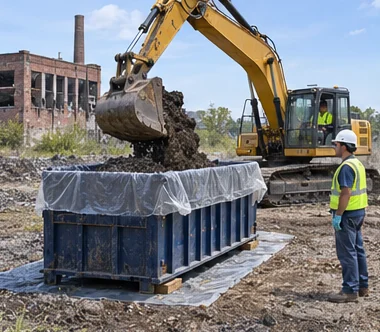
Environmental response projects can include emergency stabilization, sampling, engineering, treatment, disposal, restoration and long-term monitoring. A policy may define eligible expenses narrowly or distinguish first-party and third-party costs. Coverage depends on the defined condition, the policyholder's obligation, timing, consent and other terms. Compare the actual coverage language to the anticipated response sequence.
Document Who Directs the Response
Identify the party authorizing each contractor and paying vendor invoices. Consider regulatory communications, the owner's contractual obligations and the insurer's claims process. Some forms may address emergency costs under a limited exception or sublimit. Test after-hours access to insurer or broker contacts and identify which decisions belong to emergency personnel and qualified advisers.
If an investigation combines new loss response with ordinary maintenance, allocate costs by purpose. Track canceled production, alternative vendors, disposal and restoration separately. Keep proposals, invoices, approvals and supporting site records. Clarify whether the policy addresses owner expenses, amounts incurred on behalf of others or a covered third-party demand.
Ask What Happens After Cleanup
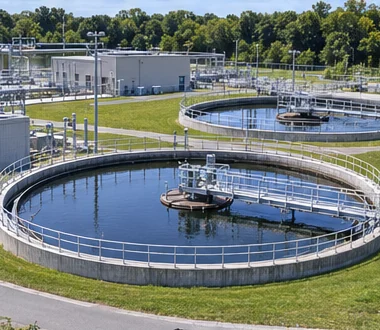
Consider confirmation sampling, site closure, restoration, temporary measures and monitoring. Record which costs have an ongoing legal or contract basis and which depend on a particular insurer approval. Review limits, defense costs, deductibles and aggregate erosion. A large cleanup estimate can expose the effects of shared limits and separately defined sublimits.
Official Resources
Source pages checked November 24, 2026. Confirm requirements for your specific activity and jurisdiction.