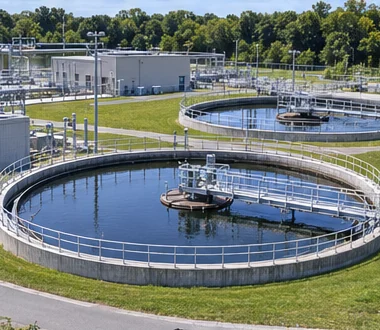
Industrial pollution exposures often cross departmental boundaries. Procurement knows the chemicals delivered, operations controls their use, maintenance handles vessels and transfer equipment, and environmental staff manages reporting and permit responsibilities. Bring those records together before comparing insurance. Start with credible releases from storage, process areas, waste accumulation, wastewater handling and material movement.
Compare Routine and Abnormal Conditions
During ordinary operations, an environmental exposure may involve a chronic leak, tank integrity issue or recurring exceedance that requires investigation. During an abnormal event, firewater, utility failure and emergency shutdown can produce different pathways and costs. Describe drainage and containment, including where liquids go when normal equipment is down. The operating site diagram, equipment inspections and incident response plan can support the review.
Identify the parties on-site at any given time. A treatment vendor, contractor or tenant may control an activity while the facility has obligations as owner or operator. Review contract indemnities and required coverages with counsel and coordinate known responsibilities with facility managers. An environmental endorsement or site policy should be read for how it addresses these different insured roles.
Evaluate Third-Party and First-Party Costs
An adjacent business may allege contamination caused downtime or property damage. The facility may independently incur assessment, cleanup, temporary storage and extra expense. Ask which insuring agreements address each cost, what notifications or authority trigger the coverage, and how business interruption terms relate to a covered event. An insurer's established claim procedure may require immediate contact for certain expenses.
In a hypothetical process-area fire, the plant restores electrical service quickly but cannot resume full operations until a drainage investigation is complete. Prepare two schedules, one for physical restoration and one for environmental clearance and product or waste handling. Compare potential business interruption periods and triggers with the policy wording. Record the cost of alternate processes and vendors and the limits of existing capacity.
Underwriting Priorities
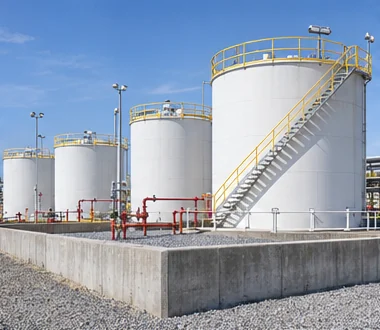
Make a location and entity schedule. Include operations, chemical inventories, process controls, tanks, wastewater and stormwater arrangements, and hazardous waste generators or vendors as applicable. Include five-year or otherwise requested loss histories with explanations of corrective action. Flag expansions, idle units, acquisitions and decommissioning, and check whether notice or approval is required. Confirm permit applicability and reporting duties with the facility's environmental advisers and authorities.
Official Resources
Source pages checked November 24, 2026. Confirm requirements for your specific activity and jurisdiction.