An insurance review for a storage tank should connect the tank schedule, operating records and applicable financial responsibility requirements to the actual policy. Environmental terms can differ between aboveground and underground systems. Tank ownership, operating control, substances and facility location determine which requirements and insurance options need attention.
Compare the Schedule With the Equipment
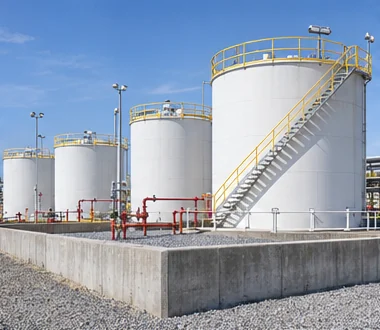
Record the tank ID, capacity, contents, installation and retrofit dates, compartment arrangement and piping. Check delivery and transfer points, tank monitoring, secondary containment, prior out-of-service tanks and retained closure records. A system can include multiple locations or piping segments that are described differently in inspection and insurance records. Reconcile the documents before renewal or a tank replacement.
The EPA technical compendium describes financial responsibility issues for federally regulated underground storage tanks. Verify whether the system, substance and operation are regulated and whether the applicable authority has additional requirements. Check coverage for corrective action and third-party exposures against the wording required for any applicable demonstration. Review other site pollution exposure independently.

Test Release and Discovery Scenarios
For a release during delivery, identify who controlled the transfer and where the material escaped. Determine whether a tank form addresses transfer and whether the supplier or carrier has a relevant policy. For a condition found during removal, review when the condition may have arisen, who arranged the investigation, and what the form expects for discovery, notice and known contamination.
Bring the tank schedule, monitoring and leak history, current declarations and endorsements, planned installation or closure work, and representative supply and operating agreements. Ask how additional tanks, replacement piping and temporarily idle units are reflected on the policy.
Official Resources
Source pages checked November 24, 2026. Confirm requirements for your specific activity and jurisdiction.