
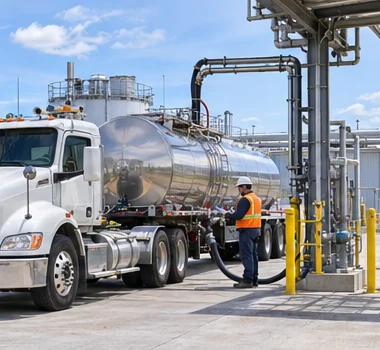
A release during transportation may create emergency response costs, bodily injury and property damage allegations, cargo loss, driver injury and a delay in customer operations. Each exposure has its own potential insurance response. Begin with the commodity, equipment, operator and contract, then map custody from pre-loading through delivery, return and any temporary storage.
Trace Transfers and Stops
Capture whether the carrier loads, pumps, unloads or simply provides a vehicle and driver. Identify which organization owns hoses and connections, who controls valves and who signs the transfer documentation. Bulk fuel, packaged chemicals and manifested waste may have substantially different contracting and regulatory considerations. Review service territories and private or for-hire operations as part of the regulatory assessment.
A lot can be part of a transportation exposure and also a fixed-location exposure. Equipment parked while loaded, temporary detention, transloading and multimodal movement all deserve separate treatment. Review the auto definition, eligible vehicle schedule, terminal boundaries, custody terms and site form for the same scenario.
Distinguish Financial Responsibility and Coverage
Evaluate commercial auto liability, cargo, transportation pollution liability and any applicable federal or state financial responsibility requirements separately. Review 49 CFR Part 387 for federal scope and the relevant MCS-90 endorsement if applicable. Obtain advice on your actual operations and classification. The endorsement's public financial responsibility purpose and any reimbursement obligations can differ from the protection the issued insurance policy provides the carrier.
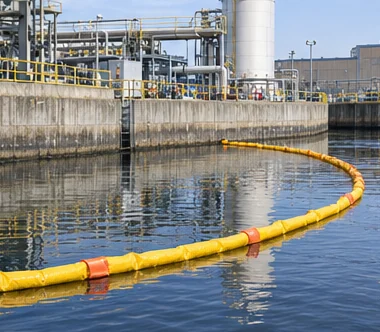
A hypothetical rollover damages a cargo tank, and a third party sets up a response to prevent material entering a waterway. Later the receiver rejects the remaining load. Map the cleanup invoices, salvage and cargo disposition, claims from other parties and the carrier's own vehicle damage. Confirm who may authorize emergency expenses and how notices should be sent.
Prepare a Coverage and Operations File
Use a commodity schedule, vehicle list, driver responsibilities, shipper and terminal contracts, emergency contacts and response-vendor arrangements. Review how additional insured endorsements, subcontracted carriers and non-owned disposal are treated where relevant. Ask about pollutant definitions, geographical limits, ordinary and emergency loading operations, delayed discovery and whether defense and cleanup expenses compete for limits.
Official Resources
Source pages checked November 24, 2026. Confirm requirements for your specific activity and jurisdiction.